Upholstery Cleaning in Modern Homes: Restore Comfort, Freshness, and Style
Upholstery cleaning is one of the most effective ways to keep your home looking polished, feeling fresh, and staying healthier over time. Sofas, armchairs, dining chairs, ottomans, and other upholstered pieces do more than fill space; they contribute to your comfort, your interior style, and even the indoor air quality of your home. When these items collect dust, spills, pet hair, body oils, and everyday grime, they can start to look dull and feel less inviting. That is why upholstery cleaning matters so much for households of every size.
Whether you are dealing with a treasured fabric sofa, a microfiber sectional, or a delicate antique chair, the right upholstery cleaning approach can make a dramatic difference. It helps revive colors, eliminate odors, and extend the life of your furniture. For busy homes, professional upholstery cleaning can also reduce the time and effort needed to maintain a clean environment. If you want your furniture to look great for longer, regular upholstery cleaning should be part of your routine.
In this article, we will explore how upholstery cleaning works, why it is important, the best methods for different materials, and how to maintain your furniture between deep cleans. You will also learn how to identify when it is time to schedule professional upholstery cleaning, what to expect from the process, and how to protect your investment in the long term. Book your service now if your furniture is already showing signs of wear, odor, or heavy soiling.
Why Upholstery Cleaning Matters for Every Home
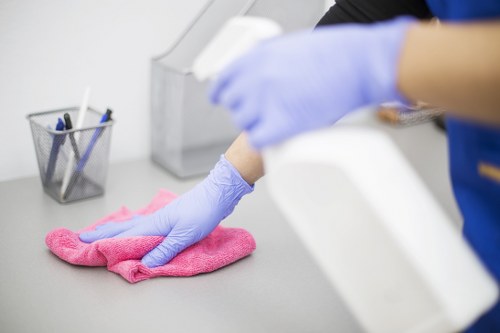
Upholstery is exposed to constant use, which means it naturally collects dirt and debris faster than many homeowners realize. Even when a couch or chair looks clean from a distance, the fibers may hold dust, pollen, pet dander, skin flakes, and microscopic particles. Over time, this buildup can affect the appearance of the furniture and make indoor spaces feel less fresh. Regular upholstery cleaning removes these hidden contaminants and helps your furniture stay visually appealing.
Another major reason to prioritize upholstery cleaning is comfort. Furniture that has absorbed sweat, oils, and spills can begin to feel sticky, musty, or uneven in texture. A proper upholstery cleaning service restores softness and improves the overall feel of the material. This is especially important for high-use pieces like living room sofas and family-room sectionals, where comfort is just as important as appearance.
Health is another significant benefit. Dust and allergens trapped in upholstery can circulate through the home each time someone sits down or moves around the furniture. For people with allergies, asthma, or sensitivities, upholstery cleaning can reduce triggers and support a cleaner indoor environment. Fresh, professionally cleaned upholstery can make a noticeable difference in how your home feels day to day.
How Upholstery Cleaning Protects Your Furniture Investment

Furniture is not a small purchase, which makes proper care essential. Sofas, loveseats, dining chairs, and accent pieces often represent a meaningful investment in your home. Upholstery cleaning helps protect that investment by preserving fabric integrity, reducing abrasive dirt particles, and preventing stains from setting permanently. Dirt acts like sandpaper on fibers, so routine cleaning can slow wear and tear.
Professional upholstery cleaning also supports the structure beneath the fabric. When spills seep into the padding or frames, they may create odor, discoloration, or moisture-related issues that can be difficult to reverse. By addressing dirt and stains promptly, you reduce the risk of long-term damage. This is especially true for delicate textiles and furniture in high-traffic areas.
In addition, upholstery cleaning can improve resale value if you ever decide to replace or sell your furniture. Clean, well-maintained pieces are more appealing and often look newer than they actually are. If your goal is to get more years of use from your furniture, a consistent upholstery cleaning routine is one of the smartest maintenance habits you can adopt.
Common Types of Upholstery Materials and Their Cleaning Needs

Not all upholstered furniture is the same, and successful upholstery cleaning depends on understanding the material. Fabric sofas, microfiber chairs, leather recliners, velvet cushions, and synthetic blends each require specific care. Using the wrong cleaning product or method can cause discoloration, shrinkage, or texture damage, so identifying the material is always the first step.
Natural fabrics such as cotton and linen are attractive and breathable, but they can be more vulnerable to water marks and staining. Upholstery cleaning for these fabrics often requires controlled moisture and gentle products. Synthetic fabrics like polyester or olefin are usually more durable and resistant to stains, making them easier to maintain, though they still benefit from regular deep cleaning.
Leather is a special case. It is not cleaned the same way as fabric upholstery and needs conditioners to maintain softness and prevent cracking. Velvet and silk are more delicate and may require specialized treatment. Always check manufacturer care codes before using any upholstery cleaning solution. These care codes help determine whether the fabric should be cleaned with water-based, solvent-based, or professional methods only.
Understanding Fabric Care Codes
Many pieces of furniture include a tag with a cleaning code. These codes can save you from costly mistakes during upholstery cleaning:
- W — Water-based cleaning is safe.
- S — Use solvent-based cleaning only.
- WS — Either water or solvent can be used carefully.
- X — Vacuum only; professional help is recommended.
Knowing the code helps you choose the correct upholstery cleaning method and protects your furniture from damage. If the tag is missing or hard to read, testing in a hidden area is always a wise move.
Signs Your Furniture Needs Upholstery Cleaning

Many homeowners wait until furniture looks obviously dirty before scheduling upholstery cleaning, but there are often earlier warning signs. One of the most common is lingering odor. If your sofa or chairs hold on to food smells, pet odors, or a stale scent, the fabric likely needs a deeper clean than vacuuming can provide. Upholstery cleaning removes trapped odors rather than masking them.
Visible stains are another clear indicator. Coffee spills, ink marks, grease spots, and food stains can become harder to remove the longer they sit. Even minor spots can attract more dirt if they are left untreated. Prompt upholstery cleaning increases the chance of successful stain removal and helps keep the fabric looking even and refreshed.
Texture changes can also signal that a cleaning is overdue. If the fabric feels sticky, rough, or flat in areas that get frequent use, dirt and oils may be embedded in the fibers. Faded color, darkened armrests, and patchy appearance are all signs that your furniture could benefit from professional upholstery cleaning. Do not wait until the damage becomes obvious.
Other Warning Signs to Watch For
- Dust that reappears quickly after vacuuming.
- Increased allergy symptoms when sitting on furniture.
- Pet hair that clings stubbornly to the fabric.
- Water rings or old liquid marks.
- Uneven wear in frequently used areas.
If any of these signs are present, scheduling upholstery cleaning sooner rather than later can help preserve the condition of your furniture.
Professional Upholstery Cleaning Methods Explained

There are several upholstery cleaning methods used by professionals, and the best one depends on fabric type, soil level, and the condition of the furniture. One of the most common approaches is hot water extraction, also known as steam cleaning. This method uses heated water and cleaning solutions to loosen dirt and extract it from the fibers. It is highly effective for many durable fabric types and is a popular option for deep upholstery cleaning.
Another method is low-moisture cleaning, which uses less water and shorter drying times. This can be a smart choice for delicate or moisture-sensitive upholstery. Dry cleaning methods may also be used for fabrics that cannot tolerate water. In these cases, specialized solvents break down grime without saturating the material. Each method has its strengths, and a skilled technician will select the right one for the furniture at hand.
Encapsulation cleaning is another useful approach for some upholstered surfaces. It uses a polymer solution that binds to dirt particles, which are then removed by vacuuming. While not appropriate for every material, it can be a practical option for light to moderate cleaning needs. Professional upholstery cleaning often combines vacuuming, pretreatment, stain treatment, and careful extraction to achieve the best possible result.
What a Typical Professional Visit Includes
- Inspection of fabric type and wear condition.
- Identification of stains, spots, and odor sources.
- Pre-vacuuming to remove loose debris.
- Application of appropriate cleaning solution.
- Gentle agitation or spotting where needed.
- Extraction or removal of loosened soil.
- Drying recommendations for faster recovery.
A professional upholstery cleaning service does more than refresh the surface. It is designed to clean deeply while minimizing risk to the fabric, cushions, and underlying structure.
DIY Upholstery Cleaning vs Professional Service
Many homeowners like the idea of tackling upholstery cleaning themselves, and in some cases, light maintenance is perfectly appropriate. Vacuuming, spot treatment, and fabric-safe deodorizing can help manage day-to-day dirt. However, DIY upholstery cleaning has limits. Without the right tools, it can be difficult to remove embedded soil, eliminate deep odors, or fully extract moisture from the material.
Professional upholstery cleaning offers the advantage of experience, equipment, and specialized products. Technicians can identify the safest cleaning approach for each fabric and handle tough stains more effectively. They also have the ability to clean larger sections evenly, which helps avoid streaks, rings, or inconsistent results. For heavily used furniture or delicate materials, professional care is often the better choice.
That does not mean you should ignore home maintenance. A balanced approach works best: use routine vacuuming and immediate spot care between professional upholstery cleaning appointments. This combination helps preserve cleanliness, reduce buildup, and keep your furniture in excellent condition for longer.
When DIY Makes Sense
- Small fresh spills that can be blotted immediately.
- Routine vacuuming and crumb removal.
- Light surface deodorizing with fabric-safe products.
- Spot treatment on durable materials with approved cleaners.
When to Choose Professional Help
- Old or stubborn stains.
- Pet accidents or odors.
- Delicate fabrics with special care requirements.
- Large sectional sofas or heavily soiled furniture.
- Furniture that has not been cleaned in years.
How Often Should Upholstery Cleaning Be Done?
The ideal upholstery cleaning schedule depends on how often the furniture is used, who lives in the home, and whether there are pets or children present. In a typical household, professional upholstery cleaning is often recommended every 12 to 24 months. In homes with high traffic, pets, or frequent spills, cleaning may be needed more often.
For example, a family sofa in the main living room may require more frequent upholstery cleaning than a guest-room chair that is rarely used. Dining chairs, which are exposed to food and drinks, may also need attention sooner. If someone in the household has allergies, regular upholstery cleaning can help maintain a healthier indoor environment and reduce buildup of allergens.
Seasonal changes can also influence your schedule. During spring, many people focus on reducing dust and pollen accumulation. In the fall and winter, indoor use increases and furniture may collect more oils, dirt, and odors. Regular upholstery cleaning throughout the year supports both cleanliness and comfort.
Practical Scheduling Tips
- Inspect high-use furniture every few months.
- Address stains immediately rather than waiting.
- Vacuum upholstery weekly to limit buildup.
- Book upholstery cleaning before special events or holidays.
- Consider annual service for busy family homes.
Tips to Maintain Upholstery Between Deep Cleans
Routine care plays an important role in keeping furniture looking its best between upholstery cleaning appointments. One of the simplest and most effective habits is regular vacuuming. Use a soft brush attachment to lift dust, crumbs, pet hair, and loose debris from the surface and between cushions. This reduces the amount of grime that settles deeper into the fibers.
Immediate spill response is also essential. When a spill happens, blot it gently with a clean cloth instead of rubbing. Rubbing can push the liquid deeper into the upholstery and spread the stain. If the fabric care code allows it, use a mild fabric-safe cleaner sparingly. Quick action often makes stain removal much easier and improves the results of future upholstery cleaning.
Rotation of cushions can also help. By turning and flipping cushions where possible, you can reduce uneven wear and fading. This is especially useful for furniture exposed to sunlight or frequent use. Protecting your upholstery from direct sunlight, using throws in high-traffic homes, and keeping pets off certain pieces can also reduce the need for intensive cleaning. Small habits can significantly extend the time between professional upholstery cleaning visits.
Smart Maintenance Habits
- Vacuum weekly using upholstery-friendly attachments.
- Blot spills immediately with a clean white cloth.
- Keep food and drinks away from fabric seating when possible.
- Use washable covers in homes with children or pets.
- Schedule upholstery cleaning before stains become permanent.
Odor Removal and Stain Treatment in Upholstery Cleaning
Odor removal is one of the most valued results of upholstery cleaning. Fabrics can trap smells from cooking, pets, smoke, perspiration, and moisture. These odors do not always disappear with surface cleaning alone. A thorough upholstery cleaning process targets the source of the smell, helping the furniture smell fresher instead of temporarily scented.
Stain treatment is equally important. Different stains require different approaches, which is why professional upholstery cleaning is so useful. Protein-based stains, grease, tannins, ink, and dye-based spills each behave differently in fabric. Using the wrong solution can set the stain or damage the upholstery, so technicians often test and treat stains in stages. This careful process improves the chances of successful removal.
For households with pets, odor control may be a top priority. Pet accidents can seep below the surface and leave lingering smells even after the visible spot is cleaned. Professional upholstery cleaning can reach deeper into the fibers and padding to address these issues more effectively. Fresh furniture does not just look better; it helps the whole room feel cleaner.
Benefits of Upholstery Cleaning for Families, Pets, and Allergy Sufferers
Families often spend a great deal of time on sofas and chairs, which makes upholstery cleaning especially valuable in busy homes. Children spill snacks, pets shed hair, and everyday use quickly adds up. Regular upholstery cleaning helps keep shared spaces more inviting and easier to enjoy. It also reduces the visible signs of wear that can make a room feel tired.
For pet owners, upholstery cleaning can be a game changer. Fur, dander, paw residue, and occasional accidents all accumulate faster than many people expect. Even when the furniture appears clean, pet-related buildup may remain in the fibers. A reliable upholstery cleaning routine helps manage these challenges and keeps seating more comfortable for everyone.
Allergy sufferers may notice some of the strongest benefits. Upholstered furniture can hold onto allergens that trigger discomfort indoors. By removing dust mites, pollen, and dander, upholstery cleaning can help lower exposure and improve daily comfort. Although it is not a medical treatment, it is a practical part of maintaining a healthier living space.
Who Benefits Most from Regular Cleaning?
- Households with children.
- Homes with cats, dogs, or other shedding pets.
- People with allergies or respiratory sensitivities.
- Busy households with high-traffic furniture.
- Anyone wanting to preserve the look and feel of quality furniture.
Choosing the Right Upholstery Cleaning Service
Not every upholstery cleaning provider offers the same level of expertise, so choosing carefully matters. Look for a service that understands different fabric types, uses appropriate cleaning methods, and explains the process clearly. Experience with delicate and specialty materials is especially important if you own high-end furniture or antique pieces.
Good communication is another sign of quality. A professional upholstery cleaning provider should explain what can realistically be done, how long drying may take, and whether any special precautions are needed after cleaning. They should also be willing to discuss fabric care codes and stain concerns before starting the job. This creates a better outcome and helps avoid surprises.
It is also wise to ask whether the cleaning products are safe for indoor environments, children, and pets. Many homeowners prefer low-odor or eco-conscious options. A trustworthy upholstery cleaning service will respect those needs while still delivering strong results. Choosing the right company can make the difference between average cleaning and excellent restoration.
What to Look For
- Training in fabric-specific cleaning methods.
- Proper equipment for deep extraction or low-moisture cleaning.
- Clear explanations of stain treatment and drying times.
- Knowledge of leather, microfiber, and delicate fabrics.
- Flexible solutions for homes with pets and children.
Final Thoughts on Upholstery Cleaning
Upholstery cleaning is more than a cosmetic improvement. It supports a cleaner home, better comfort, longer-lasting furniture, and a more welcoming atmosphere overall. From removing stains and odors to reducing allergens and everyday buildup, the benefits are both visible and practical. Whether you rely on periodic professional cleaning or combine it with regular at-home maintenance, taking care of upholstery pays off in the long run.
When furniture is cleaned properly, the whole room feels refreshed. Colors look brighter, fabrics feel softer, and surfaces appear more inviting. That is why upholstery cleaning should never be overlooked as part of home care. Even one deep cleaning session can make a noticeable difference, especially on furniture that has not been treated in a while.
If your sofa, chairs, or other upholstered pieces are showing signs of wear, odor, or staining, now is the time to act. Contact us today to protect your furniture and improve the comfort of your home. Book your service now and enjoy the benefits of cleaner, fresher upholstery you can see and feel every day.