Deep Cleaning in Every Space: Why It Matters, What It Includes, and How to Do It Right
Deep cleaning is more than a quick tidy-up. It is a thorough, detail-focused process that reaches the overlooked corners, hidden buildup, and high-touch areas that regular cleaning often misses. Whether you are preparing for a seasonal refresh, getting a property ready for guests, or simply wanting a healthier home, deep cleaning can make a dramatic difference in comfort, appearance, and hygiene.
Unlike basic cleaning routines, deep cleaning targets grime that accumulates over time. It helps reduce dust, allergens, grease, soap scum, and bacteria while also improving the overall look and feel of your space. From kitchens and bathrooms to bedrooms, living rooms, and even offices, a proper deep cleaning service or DIY routine can restore freshness and create a more welcoming environment.
In this article, we will explore what deep cleaning means, why it is important, what areas it should cover, how often it should be done, and how to make the process more effective. If you have ever wondered whether your home or workplace needs a deep clean, this article will help you understand exactly why it is one of the smartest cleaning investments you can make.
What Is Deep Cleaning?

Deep cleaning is a detailed cleaning process that goes far beyond the surface. While regular cleaning keeps visible areas neat, deep cleaning focuses on the hidden and often forgotten parts of a space. It includes scrubbing, disinfecting, degreasing, dusting, polishing, and sanitizing areas that may not be cleaned every week.
Think of deep cleaning as a reset for your environment. It reaches behind appliances, inside cabinets, under furniture, around fixtures, and into corners where dirt tends to settle. In many homes, deep cleaning also includes washing walls, baseboards, vents, doors, and upholstery. In offices, it may involve sanitizing shared equipment, cleaning carpets, and removing buildup from workstations.
Deep cleaning is especially valuable because it improves both appearance and hygiene. A room may look clean on the surface, but hidden dust and residue can still affect air quality and cleanliness. That is why a deep clean is often recommended before special events, after illness, during seasonal changes, or when a property has been unused for a while.
Why Deep Cleaning Matters

One of the biggest advantages of deep cleaning is the health benefit. Dust, mold, grease, pollen, and bacteria can build up quietly and affect the quality of your indoor environment. For allergy sufferers or households with children and pets, this buildup can become especially noticeable. A thorough deep cleaning service helps reduce these irritants and supports a healthier living space.
Deep cleaning also protects your investment. Floors, countertops, appliances, furniture, and fixtures last longer when they are maintained properly. Grease on a stove, soap scum in a shower, or dust in vents may seem minor at first, but over time they can lead to damage, stains, and wear. Regular deep cleaning can prevent small issues from turning into expensive repairs or replacements.
There is also a psychological benefit. A truly clean space feels calmer, more organized, and more comfortable. Many people notice that after a deep clean, their home feels brighter and more spacious. It can even improve focus and productivity in work environments. When your surroundings are fresh and orderly, daily routines become easier and more enjoyable.
Key Reasons People Schedule Deep Cleaning
- To reduce dust, allergens, and hidden dirt
- To sanitize high-touch and high-use areas
- To improve the appearance of a home or office
- To prepare for guests, events, or move-in/move-out situations
- To extend the life of furniture, appliances, and fixtures
Deep Cleaning vs. Regular Cleaning

People often use the terms cleaning and deep cleaning interchangeably, but they are not the same. Regular cleaning handles everyday tasks such as wiping counters, vacuuming floors, taking out trash, and tidying rooms. These routines maintain a basic level of order and cleanliness.
Deep cleaning, on the other hand, is more intensive. It focuses on the buildup that regular cleaning does not address. This means moving items, scrubbing surfaces, washing neglected areas, and using specialized tools or products when needed. In short, regular cleaning keeps a space presentable, while deep cleaning restores it to a much higher standard.
Understanding the difference is important because many people assume their space is clean simply because it looks neat. But deep cleaning reaches behind the scenes. It may include disinfecting light switches, removing lint from dryer vents, cleaning grout lines, washing blinds, and detailing fixtures. This is what creates a truly refreshed environment.
Regular Cleaning Often Covers
- Dusting visible surfaces
- Vacuuming and sweeping floors
- Wiping kitchen counters
- Cleaning bathroom sinks and toilets
- Removing trash and clutter
Deep Cleaning Often Includes
- Scrubbing grout and tile
- Cleaning inside cabinets and drawers
- Washing walls, vents, and baseboards
- Degreasing kitchen appliances
- Sanitizing hidden and hard-to-reach areas
Areas That Need Deep Cleaning
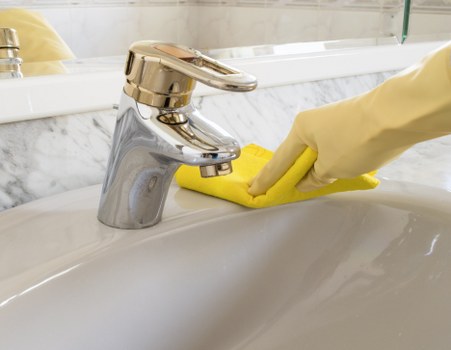
Every room in a property benefits from deep cleaning, but some areas need more attention than others. Kitchens and bathrooms are usually at the top of the list because they deal with moisture, food residue, grease, and bacteria. However, living rooms, bedrooms, laundry areas, and hallways also accumulate dust and grime over time.
In the kitchen, deep cleaning may include cleaning inside the oven, refrigerator, microwave, cabinets, backsplash, and sink. Grease often hides on range hoods, cabinet handles, and stove burners. Bathrooms often require descaling faucets, scrubbing tiles, disinfecting toilets, and removing soap buildup from shower walls and glass. These details matter because they influence both hygiene and overall presentation.
Bedrooms and living spaces should not be overlooked either. Deep cleaning these areas can involve vacuuming mattresses, dusting ceiling fans, washing bedding, cleaning upholstery, and removing dust from under furniture. In offices, deep cleaning may include sanitizing desks, keyboards, shared equipment, and meeting areas. The goal is to eliminate buildup in every space where people spend time.
Common Deep Cleaning Zones
- Kitchen: appliances, cabinets, backsplash, sink, handles
- Bathroom: shower, toilet, grout, mirrors, faucets, drains
- Bedroom: mattress, under-bed area, closets, baseboards
- Living Room: furniture, vents, blinds, light fixtures, rugs
- Office: desks, electronics, chairs, shared surfaces
How Often Should Deep Cleaning Be Done?
The right frequency for deep cleaning depends on how much a space is used and what kind of activity happens there. For a typical home, many people schedule deep cleaning every three to six months. Some prefer seasonal deep cleaning, while others may need it more often due to pets, children, allergies, or a busy household.
Commercial spaces often need deep cleaning on a more regular schedule because of higher traffic and stricter hygiene expectations. Offices, retail spaces, rental properties, and hospitality locations may benefit from monthly or quarterly deep cleaning depending on usage. In kitchens and bathrooms, buildup happens quickly, so more frequent attention may be needed.
Timing matters as well. Deep cleaning is especially helpful before holidays, after home renovation work, during spring or fall transitions, before moving in or out of a property, and after an illness has spread through a household. If a room starts to look dull, smell stale, or feel dusty no matter how much you clean, it may be time for a proper deep clean.
Signs It Is Time for Deep Cleaning
- Dust returns quickly after regular cleaning
- Bathrooms and kitchens show visible buildup
- Carpets or upholstery look dull or smell stale
- Allergies seem worse indoors
- Hard-to-reach areas have not been cleaned in months
What a Professional Deep Cleaning Service Typically Includes
A professional deep cleaning service usually follows a detailed checklist to ensure no major area is missed. While offerings can vary, most services are designed to tackle intensive tasks that are difficult to handle during routine cleaning. This is especially helpful for busy households, larger properties, or spaces that need a reset.
Professional cleaners often start with dusting high surfaces, then work downward to remove debris efficiently. They may clean doors, trim, light fixtures, ceiling fans, vents, shelves, and window sills. In the kitchen, they may degrease appliances, clean behind movable items, and sanitize all food-preparation areas. Bathrooms may receive extra attention for mildew, scale, and soap residue.
Deep cleaning professionals may also use steam cleaning, scrub brushes, microfiber tools, disinfectants, and specialized solutions for glass, stainless steel, stone, or tile. The result is a more detailed finish than most homeowners can achieve in a short amount of time. If you want your property to feel renewed, booking a deep clean is often the fastest way to get there.
Typical Professional Tasks
- Dusting vents, fans, and light fixtures
- Cleaning baseboards, doors, and trim
- Scrubbing kitchen and bathroom surfaces
- Washing interior windows and mirrors
- Vacuuming and mopping all floors thoroughly
- Cleaning under furniture and behind appliances
Optional Add-On Services
- Carpet cleaning
- Upholstery cleaning
- Oven and refrigerator interior cleaning
- Window track cleaning
- Mattress vacuuming and sanitizing
Deep Cleaning Tips for Kitchens
The kitchen is one of the most important rooms for deep cleaning because it is where food is prepared and stored. Grease, crumbs, spills, and odors can accumulate quickly, especially near stoves, sinks, and trash areas. A well-done deep clean can make the entire kitchen feel brighter and more sanitary.
Start with appliances. Remove everything from the refrigerator, wipe shelves, and discard expired items. Clean the oven, microwave, and stovetop carefully. Pay special attention to knobs, handles, and behind appliances where dust and grease collect. Cabinets and drawers should also be emptied and wiped inside and out. Even the toe-kick area under lower cabinets should be checked for crumbs and grime.
Deep cleaning the kitchen also includes the sink, faucet, backsplash, and trash area. Descale the faucet if needed, scrub the sink basin, and sanitize counters after removing all items. Finish by mopping the floor thoroughly, paying attention to corners and under movable furniture or carts. A fresh kitchen not only looks better but also supports better food hygiene.
- Clean appliance exteriors and interiors
- Degrease stovetops and range hoods
- Wipe cabinet fronts and handles
- Sanitize countertops and sink areas
- Mop floors and clean corners
Deep Cleaning Tips for Bathrooms
Bathrooms require special attention because they are exposed to moisture, soap, hair, skin oils, and bacteria. A thorough deep cleaning routine can dramatically improve the look and smell of the space while helping maintain better hygiene. This is one room where detail work makes a huge difference.
Begin by removing all items from counters, shelves, and shower ledges. Then scrub the sink, countertop, toilet, shower, and bathtub. Clean grout lines, tile edges, and the area around faucets. Shower glass often needs a descaling product to remove mineral deposits and water spots. Mirrors, cabinet fronts, and light switches should also be wiped down and disinfected.
Do not forget overlooked spots such as behind the toilet, under the sink, around drains, and on bathroom vents. These hidden areas collect dust, hair, and residue over time. A proper bathroom deep clean should leave every surface refreshed and every corner addressed. If the room still smells musty after cleaning, check for hidden mold or poor ventilation.
Bathroom Deep Cleaning Checklist
- Disinfect toilet, sink, and faucet
- Scrub shower walls, tub, and grout
- Clean mirrors and glass surfaces
- Wipe cabinets, shelves, and switches
- Empty trash and sanitize the bin
- Vacuum and mop the floor thoroughly
Deep Cleaning Tips for Bedrooms and Living Areas
Bedrooms and living rooms may not get as messy as kitchens or bathrooms, but they still collect dust, skin cells, pet hair, and everyday clutter. Deep cleaning these areas helps create a more restful and inviting atmosphere. This is particularly important if you suffer from allergies or have upholstered furniture that traps particles.
In the bedroom, strip the bed and wash all bedding, pillowcases, and mattress protectors. Vacuum the mattress if needed and rotate or flip it according to manufacturer recommendations. Dust furniture, lamps, shelves, and baseboards. Clean under the bed and inside closets where lint and dust often build up. Window treatments such as curtains and blinds should also be cleaned regularly as part of a deep clean.
For living rooms, pay attention to sofas, chairs, rugs, entertainment centers, and decorative items. Vacuum upholstery, clean underneath cushions, and dust electronics carefully. If you have pets, use tools that lift hair from fabrics and carpets effectively. Deep cleaning these spaces helps improve comfort and air quality, making them feel more pleasant for everyday use.
- Wash bedding and pillow covers
- Vacuum mattresses, rugs, and upholstery
- Dust shelves, fixtures, and décor
- Clean under furniture and beds
- Wipe blinds, windows, and handles
Tools and Products That Make Deep Cleaning Easier
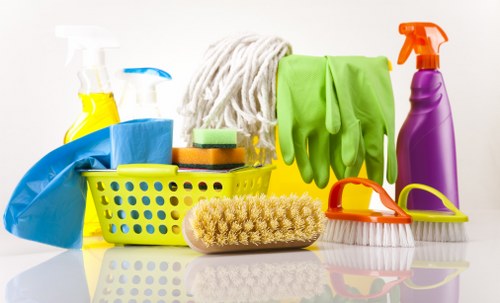
Having the right tools can make deep cleaning faster, safer, and more effective. Microfiber cloths are excellent for trapping dust without spreading it around. Scrub brushes help remove buildup from grout, sinks, and tile. A vacuum with multiple attachments can reach corners, upholstery, vents, and under furniture.
Cleaning products also matter. Degreasers work well in kitchens, while bathroom cleaners and descaling products help dissolve mineral deposits and soap scum. Disinfectants are useful for high-touch surfaces such as switches, handles, and fixtures. For sensitive surfaces, always choose products that are appropriate for the material to avoid damage.
Deep cleaning becomes much easier when everything is organized before you begin. Gather your supplies in a caddy, work room by room, and focus on one area at a time. This keeps the process efficient and reduces the chance of forgetting important tasks. If the work feels overwhelming, hiring a professional deep cleaning service may be the most practical option.
Helpful Cleaning Supplies
- Microfiber cloths
- Scrub sponges and brushes
- Vacuum cleaner with attachments
- Mop and bucket
- Disinfectant spray
- Degreaser and descaler
- Rubber gloves
How to Prepare for a Deep Clean
Preparation can make the entire process smoother. Before starting a deep cleaning session, remove clutter from counters, floors, and surfaces. Put away personal items, toys, and loose objects so that every area is accessible. If you are cleaning multiple rooms, create a plan so you know which spaces to tackle first.
It is also helpful to open windows when possible for ventilation, especially if you will use stronger cleaning products. Set aside enough time because deep cleaning is not something to rush. A room may require several passes, particularly if there is buildup that has accumulated over months. Planning ahead allows you to work carefully and achieve better results.
Deep cleaning is most effective when broken into sections. You might focus on one room per day or one task at a time, such as dusting, scrubbing, or floor care. This approach makes the job feel more manageable and helps ensure nothing is missed. If you are preparing for move-in or move-out, this kind of organization is even more important.
- Declutter surfaces and floors
- Gather all cleaning tools in one place
- Open windows for airflow
- Make a room-by-room plan
- Allow enough time for detail work
Why Deep Cleaning Supports Better Indoor Air Quality
One of the most overlooked benefits of deep cleaning is improved indoor air quality. Dust, pet dander, pollen, mold spores, and tiny debris can circulate through a space and settle on furniture, floors, and vents. Over time, these particles can affect breathing comfort and make rooms feel stuffy or stale.
When you deep clean regularly, you remove more of these contaminants from the environment. Vacuuming with a proper filter, wiping vents, cleaning carpets, and dusting hidden areas all contribute to cleaner air. This is especially important for homes with children, elderly residents, or anyone with asthma or allergies. Even without a medical issue, cleaner air simply makes a space feel fresher.
A cleaner indoor environment can also reduce odors. Old spills, pet hair, dust in fabrics, and buildup in drains can all cause lingering smells. By addressing these areas directly, a deep clean helps create a fresher and more pleasant atmosphere throughout the property.
When to Book a Professional Deep Cleaning Service
There are many times when hiring help makes sense. If your schedule is full, your property is large, or the cleaning job feels overwhelming, a professional deep cleaning service can save time and deliver excellent results. Professional cleaners are trained to handle details efficiently and know which products and methods work best for different surfaces.
You may want to book a service before moving into a new home, after moving out of an old one, after a renovation, before a major event, or when a space has not been cleaned thoroughly in a long time. Professional support is also useful when a property has suffered from smoke, heavy grease, pet buildup, or months of neglect. In these cases, the difference between regular cleaning and a deep clean can be dramatic.
Deep cleaning is not only about saving time; it is about getting a higher level of detail. If you want your space to feel truly refreshed, book your service now and let trained cleaners handle the toughest areas. The right team can transform a tired-looking space into one that feels bright, sanitary, and ready to enjoy.
Situations Where Professional Help Is Worth It
- Before or after a move
- After home renovations
- Before hosting guests or events
- During seasonal resets
- When allergies or odors become a problem
- When time and energy are limited
Final Thoughts on Deep Cleaning
Deep cleaning is one of the most valuable ways to maintain a healthy, attractive, and comfortable space. It goes beyond the basics and addresses the dirt and buildup that everyday routines often miss. Whether you choose to do it yourself or hire professionals, the results can improve your home’s appearance, support better hygiene, and make your daily life easier.
From kitchens and bathrooms to bedrooms, living spaces, and work areas, every room benefits from a periodic deep clean. The process may take time, but the payoff is worth it. Your space feels fresher, smells cleaner, and becomes more enjoyable to live or work in. If your home or office needs a fresh start, there is no better time to begin than now.
Contact us today to take the next step toward a cleaner, healthier environment, or book your service now and experience the difference a true deep clean can make.