Communal Area Cleaning: Creating Safer, Healthier Shared Spaces
Communal area cleaning plays a vital role in maintaining the appearance, hygiene, and comfort of shared properties. From apartment blocks and office buildings to student housing and mixed-use developments, well-maintained common spaces make a strong first impression and support everyday wellbeing. When communal area cleaning is carried out consistently, residents, visitors, and staff benefit from cleaner surfaces, fresher air, and a more pleasant environment overall.
In busy shared buildings, communal areas are used by many people throughout the day. This means dirt, dust, fingerprints, litter, and bacteria can build up quickly. Regular communal area cleaning helps control these issues before they affect the quality of the space. It also protects flooring, walls, fixtures, and fittings from long-term wear, helping property managers and owners preserve value.
For landlords, housing associations, facilities managers, and block management teams, communal area cleaning is not simply about appearance. It supports safety, reduces complaints, and reinforces a sense of order. A structured cleaning schedule can make lobbies, stairwells, lifts, and corridors feel more welcoming while also promoting a healthier environment for everyone who passes through.
What Communal Area Cleaning Includes
Communal area cleaning covers every shared section of a property that is accessible to multiple occupants or visitors. The exact scope depends on the building, but it usually includes high-traffic zones and touchpoints that need frequent attention. These spaces often experience the fastest build-up of dirt, so they require more than occasional attention.
Typical communal area cleaning tasks may include sweeping, vacuuming, mopping, dusting, sanitising, and waste removal. Cleaners may also polish surfaces, clean internal glass, wipe down handrails, and empty bins. In larger properties, the service can extend to external entrances, bin stores, bike areas, and service corridors.
Because shared buildings vary widely, communal area cleaning should never be treated as a one-size-fits-all solution. A small residential block may need a simple weekly clean, while a busy office complex may require daily maintenance. The right plan depends on foot traffic, building layout, resident expectations, and operational needs.
Why Communal Area Cleaning Matters
There are many reasons why communal area cleaning is considered an essential part of property care. The most obvious is cleanliness, but the benefits go much further. Shared spaces reflect the standards of the building and influence how people feel when they enter, leave, or move through the property.
First impressions matter. A spotless foyer, polished floor, and fresh-smelling corridor immediately create a more positive atmosphere. On the other hand, dusty corners, overflowing bins, and stained surfaces can make a building feel neglected. Professional communal area cleaning helps maintain a strong sense of care and professionalism.
There is also a health and safety angle. Shared surfaces can harbour germs, allergens, and contaminants, especially in busy buildings. Regular communal area cleaning reduces the spread of dirt and helps limit unpleasant odours. This is particularly important in properties where residents, staff, or visitors come and go throughout the day.
Key benefits at a glance
- Improves hygiene in high-traffic shared areas
- Enhances the visual appearance of the building
- Helps reduce odours and dust build-up
- Supports safer floors, stairs, and entrances
- Protects surfaces from premature wear
- Creates a more welcoming environment for occupants and guests
Common Areas That Need Regular Attention
Communal area cleaning should focus on the parts of the building that receive the most use. These areas are often overlooked until problems become visible, but consistent maintenance keeps them in better condition for longer. The more people use a space, the more frequently it should be cleaned.
Staircases are among the most important areas to maintain. Dust, mud, and debris collect quickly on steps and landings, while handrails can become sticky or marked through repeated contact. Corridors and hallways also need regular vacuuming or mopping to keep them free from dust and footprints.
Entryways, reception areas, lifts, and mail areas are other high-priority zones. These are the first spaces that occupants and visitors see, so they should receive detailed cleaning and regular sanitisation. Communal area cleaning in these sections can significantly influence the overall impression of the property.
Other spaces commonly included
- Shared kitchens and break rooms
- Washrooms and restroom facilities
- Bin storage rooms and waste collection points
- Bike storage areas
- Car parks and access routes
- Internal windows, ledges, and skirting boards
The Difference Between Basic and Professional Cleaning
Some properties rely on informal upkeep or occasional tidying, but that approach rarely delivers consistent results. Basic cleaning may remove visible dirt, yet it often misses hidden build-up in corners, on light switches, around door handles, and along edges. Professional communal area cleaning is designed to address both visible and less obvious issues.
Professional cleaners follow a plan, use the right products, and work to a defined standard. This means the service is repeatable, measurable, and easier to manage over time. It also reduces the risk of damage caused by using the wrong cleaning chemicals or equipment on delicate surfaces.
Another advantage of professional communal area cleaning is consistency. Shared buildings need a routine that residents and managers can rely on. With a proper schedule, the space is cleaned before dirt accumulates, rather than after it becomes a problem. That proactive approach saves time and supports a better living or working environment.
Why professionalism matters
Professional teams often bring experience with different building types, flooring finishes, and high-use touchpoints. They know how to balance speed with attention to detail, ensuring the property stays clean without disrupting occupants. This is especially useful in buildings where noise, access, and timing all need to be managed carefully.
How Often Should Communal Areas Be Cleaned?
The right cleaning frequency depends on the building’s traffic levels and the type of shared space involved. A quiet residential block may not need the same level of attention as a busy office entrance or student accommodation complex. Still, all shared properties benefit from a clear and consistent schedule.
In many cases, communal area cleaning is carried out daily, several times per week, or weekly. High-touch areas such as lift buttons, door handles, and reception counters may require more frequent sanitisation. In winter or during wet weather, entrances and floors may need extra care due to mud, rain, and salt residue.
Regular monitoring helps determine whether the schedule is working. If bin areas smell, floors look dull, or residents repeatedly report dust build-up, the cleaning plan may need to be adjusted. The best communal area cleaning services are flexible enough to respond to changing building needs.
Factors that affect cleaning frequency
- Number of occupants and visitors
- Foot traffic throughout the day
- Size and layout of the building
- Presence of children, pets, or delivery activity
- Seasonal weather and external dirt
- Special requirements such as health or safety compliance
Best Practices for Effective Communal Area Cleaning
Effective communal area cleaning depends on more than just turning up with a mop and vacuum. It requires structure, attention to detail, and a clear understanding of what each area needs. A well-planned approach ensures no space is neglected and that the cleaning process supports the building’s daily use.
One of the best practices is to use a site-specific cleaning checklist. This helps ensure that all agreed tasks are completed in the right order. It can also support quality control by making it easy to identify missed areas or recurring issues. For shared properties, a checklist adds transparency and accountability.
Another important practice is to prioritise touchpoints. Doors, switches, banisters, lift buttons, and handrails should be cleaned and disinfected regularly because they are handled frequently. Likewise, floors should be managed in a way that keeps them safe and free from slipping hazards. Good communal area cleaning is as much about prevention as it is about appearance.
Practical cleaning methods that work well
- Microfibre dusting to trap fine particles
- Vacuuming with HEPA filtration for improved air quality
- Neutral floor cleaning solutions for shared surfaces
- Targeted sanitising of high-contact points
- Edge and corner detailing to prevent dirt build-up
- Regular bin emptying and waste disposal
Small details make a big difference
Polishing glass, removing smudges from doors, and cleaning marks off walls can dramatically improve the overall feel of a building. These small finishing touches show that the communal area cleaning is being done properly, not just rushed through.
Health, Hygiene, and Safety Advantages
Communal area cleaning contributes directly to a healthier shared environment. In busy buildings, germs can spread quickly through repeated contact with the same surfaces. Routine cleaning helps interrupt that chain, reducing the transfer of bacteria and viruses across common touchpoints.
Dust control is another important factor. Dust can trigger allergies and make indoor environments feel stale or poorly maintained. By maintaining floors, vents, ledges, and hidden corners, communal area cleaning supports better air quality and a more comfortable experience for occupants.
Safety is equally important. Clean floors and stairs reduce the risk of slips and trips, while clear corridors and entrances help people move through the property more easily. Shared areas should always be maintained with safety in mind, especially in buildings with elderly residents, children, or mobility-impaired users.
Health and safety benefits
- Lower risk of slips, trips, and falls
- Reduced spread of germs on high-touch surfaces
- Less dust and allergen accumulation
- Better odour control in enclosed spaces
- Improved visibility and cleanliness in shared routes
Communal Area Cleaning for Residential Buildings
In residential properties, communal area cleaning has a strong impact on tenant satisfaction and building reputation. Residents notice when shared spaces are consistently maintained, and they also notice when standards slip. A clean environment helps people feel more comfortable and respected in their home.
Apartment blocks, housing estates, and converted buildings often include stairs, lobbies, hallways, and bin stores that are shared by many residents. These areas can become untidy quickly, especially if there is frequent movement, parcel delivery, or outdoor debris being tracked inside. Regular cleaning helps keep the property looking organised and cared for.
For property managers, investing in dependable communal area cleaning can also reduce complaints. When residents know that a cleaning schedule exists and see it being followed, they are more likely to trust the management of the building. That makes day-to-day operations smoother and more efficient.
Residential priorities
- Maintain clean entrances and doorways
- Keep stairs and handrails free from dust and marks
- Ensure bin rooms are hygienic and odour-controlled
- Clean floors regularly to manage mud and debris
- Keep lift interiors and buttons spotless
Communal Area Cleaning for Commercial Properties
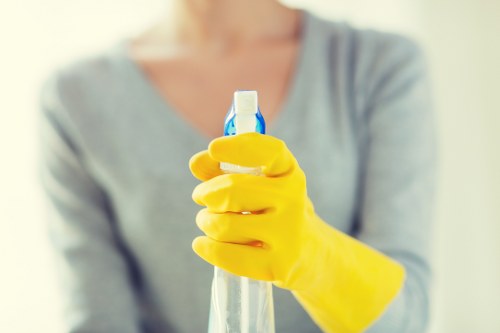
Commercial environments present their own challenges. Offices, business centres, clinics, and mixed-use buildings often experience heavy foot traffic and frequent use of shared facilities. Because of this, communal area cleaning must be adapted to suit working hours, visitor patterns, and operational requirements.
In commercial settings, first impressions are especially important. Reception areas, corridors, and shared washrooms contribute to the professional image of the business. A clean, well-kept shared environment suggests that the organisation values detail, order, and the comfort of its staff and clients.
Office building communal area cleaning may also need to include more frequent sanitisation of high-contact surfaces. Conference spaces, communal kitchens, and lift lobbies can quickly become hotspots for bacteria and visible mess. A structured cleaning plan helps businesses maintain a polished look while supporting employee wellbeing.
What commercial clients often look for
They usually want flexible scheduling, minimal disruption, and reliable standards. They also look for cleaners who understand compliance, confidentiality, and the need to maintain a professional atmosphere throughout the working day.
Eco-Friendly Approaches to Communal Area Cleaning
Many property managers now want greener cleaning solutions that reduce environmental impact without compromising results. Eco-friendly communal area cleaning can include biodegradable products, reduced water waste, and reusable microfibre materials. These methods are increasingly popular in both residential and commercial settings.
Sustainable cleaning does not mean less effective cleaning. In fact, environmentally conscious methods often improve indoor air quality by reducing harsh chemical residue. This can be especially helpful in properties occupied by families, older adults, or people with sensitivities. Choosing the right products matters just as much as choosing the right schedule.
Another advantage of greener communal area cleaning is that it supports modern property values. Many tenants and occupiers actively prefer buildings that show environmental responsibility. By using efficient products and waste-conscious routines, managers can present a cleaner and more responsible image overall.
Examples of eco-friendly measures
- Low-toxicity and biodegradable cleaning products
- Reusable cloths and mop heads
- Efficient equipment that uses less water and energy
- Targeted cleaning to avoid unnecessary product use
- Waste segregation and responsible disposal practices
Choosing the Right Communal Area Cleaning Service
When selecting a provider, it helps to look beyond price alone. The best communal area cleaning service will offer reliability, clear communication, and a tailored plan. Shared spaces are too important to leave to guesswork, so the provider should understand your building’s needs from the start.
Experience matters, especially in buildings with specific access rules, resident expectations, or mixed usage. A strong provider should be able to explain how they handle scheduling, quality checks, equipment, and special requests. They should also be able to adapt the service when traffic levels or seasonal conditions change.
Before making a decision, it is wise to review the cleaning scope in detail. Ask which areas are included, how often tasks will be completed, and what standards are used to monitor performance. Communal area cleaning should feel structured, dependable, and easy to manage for the people responsible for the property.
Questions to consider
- Does the service cover all shared spaces that matter most?
- Is the frequency suitable for the building’s level of use?
- Are cleaners trained to work safely and professionally?
- Can the schedule be adjusted if needs change?
- Are quality checks built into the service?
Final Thoughts on Keeping Shared Spaces Clean
Communal area cleaning is one of the most effective ways to protect the appearance, hygiene, and safety of any shared property. When common areas are maintained regularly, the entire building feels more organised, comfortable, and inviting. That benefits residents, staff, visitors, and property managers alike.
Whether the space is a residential block, office building, or mixed-use site, a strong cleaning routine helps keep high-traffic areas under control. It reduces dirt, supports good hygiene, and prevents small issues from becoming larger maintenance problems. In the long run, this makes communal area cleaning a practical investment rather than a cosmetic extra.
If you want cleaner hallways, brighter entrances, and safer shared routes, now is the time to act. Contact us today to discuss a tailored cleaning plan, or book your service now to keep your communal spaces looking their best all year round.