Mattress Cleaning in: How to Keep Your Bed Fresh, Healthy, and Long-Lasting
Why Mattress Cleaning Matters for Every Home
Mattress cleaning is one of the most overlooked parts of home care, yet it has a direct impact on sleep quality, indoor hygiene, and mattress lifespan. Even if a mattress looks clean on the surface, it can still hold dust, body oils, sweat, dead skin cells, allergens, and odor-causing bacteria deep within its fibers. Over time, these hidden contaminants can affect comfort and contribute to a less healthy sleeping environment.
For many households, regular vacuuming and changing sheets are not enough. A proper mattress cleaning routine helps remove buildup that standard bedding care cannot reach. This is especially important for homes with children, pets, allergy sufferers, or anyone who wants a cleaner and more comfortable place to sleep. A well-maintained mattress can also last longer, helping you protect your investment.
Whether you are dealing with minor stains, lingering smells, or just want a fresher bed, understanding the basics of mattress cleaning can make a noticeable difference. With the right methods and a consistent schedule, you can improve sleep hygiene and reduce the need for costly replacements.
What Builds Up Inside a Mattress?

Mattresses absorb much more than most people realize. Every night, your body releases sweat and natural oils. Over months and years, these materials can seep through sheets and mattress protectors and settle into the padding. Add dust, pet dander, and microscopic particles from the air, and it becomes clear why mattress cleaning is so important.
Common buildup inside a mattress includes:
- Dust mites and dust mite waste
- Dead skin cells
- Body oils and sweat
- Food crumbs
- Pet hair and pet dander
- Mold spores in humid environments
- Bacteria and odor-causing particles
These contaminants do not just affect cleanliness; they can also create odor, trigger allergies, and make the sleeping surface feel less fresh. That is why regular mattress cleaning should be part of your overall home maintenance routine.
Signs Your Mattress Needs Cleaning
Many people wait until a mattress looks visibly dirty before they think about cleaning it, but by then the buildup may already be significant. Knowing the warning signs can help you take action sooner. If you notice any of the following, it is time to consider mattress cleaning:
- Unpleasant or musty odors
- Visible stains or discoloration
- Increased sneezing or allergy symptoms in bed
- Noticeable dust when changing bedding
- Persistent dampness or moisture
- Pet accidents or spills
- General loss of freshness and comfort
Fresh-smelling bedding can be maintained with regular care, but deeper issues usually require a more focused approach. If the mattress has absorbed moisture or odors, professional mattress cleaning may be the best way to restore it.
Even if there are no obvious stains, a mattress can still need deep cleaning. A clean-looking mattress is not always a clean mattress, and hidden contaminants often have a bigger effect than people expect.
How Often Should You Clean a Mattress?
The best schedule for mattress cleaning depends on how the bed is used, your indoor environment, and whether anyone in the household has allergies. As a general rule, vacuuming the mattress surface every few months and deep cleaning a few times a year is a smart approach. If there are spills, pet accidents, or odor issues, cleaning should happen right away.
A practical mattress maintenance routine may include:
- Weekly: Change bed sheets and pillowcases.
- Monthly: Inspect for stains, moisture, or odors.
- Every 3 to 6 months: Vacuum and freshen the mattress.
- As needed: Treat spots, spills, and accidents immediately.
If you live in a humid area or have a mattress that tends to trap moisture, more frequent mattress cleaning may be necessary. The goal is to prevent buildup before it becomes difficult to remove.
Benefits of Regular Mattress Cleaning
There are several reasons why homeowners invest time in mattress cleaning. The advantages go beyond appearance and can improve daily comfort and long-term value.
1. Better sleep hygiene
Sleeping on a clean mattress can help create a fresher, more relaxing environment. This matters for both comfort and peace of mind.
2. Allergy reduction
Removing dust and allergens through mattress cleaning may help reduce irritation for people sensitive to airborne particles.
3. Odor control
Sweat, spills, and moisture can create smells that linger. Regular cleaning helps reduce or eliminate these odors.
4. Extended mattress lifespan
Keeping a mattress clean can slow down wear and preserve the materials inside.
5. Improved appearance
A clean mattress often looks brighter, fresher, and more inviting.
For many households, the improvement in comfort alone makes mattress cleaning worth the effort.
DIY Mattress Cleaning: Simple Steps That Work
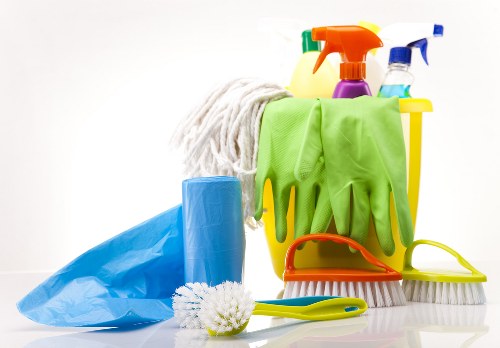
If your mattress only has light dirt, surface dust, or minor odors, there are several safe DIY methods you can use. While deep stains or heavy contamination may require professional mattress cleaning, basic maintenance can still make a meaningful difference.
Step 1: Strip the Bedding
Remove all sheets, blankets, pillowcases, and mattress protectors. Wash them in hot water if the fabric allows. This helps eliminate dust and allergens from the sleep area.
Step 2: Vacuum the Entire Surface
Use a vacuum with an upholstery attachment to remove dust, dead skin, hair, and debris. Pay close attention to seams, corners, and tufted areas where dirt often collects. This is one of the most important parts of mattress cleaning.
Step 3: Spot Clean Stains
Use a mild cleaning solution suitable for your mattress type. Apply it lightly with a cloth rather than soaking the fabric. Excess moisture can damage the internal layers and lead to mold or mildew.
Step 4: Deodorize with Baking Soda
Sprinkle a thin layer of baking soda over the mattress and let it sit for several hours. Baking soda can help absorb odors and freshen the surface. Then vacuum it thoroughly.
Step 5: Allow the Mattress to Dry Completely
Before putting bedding back on, make sure the mattress is fully dry. Open windows, use fans, or let it air out longer if necessary. Dampness is one of the biggest risks during mattress cleaning.
These simple steps can improve freshness, but they are most effective when used regularly as part of a maintenance routine.
When Professional Mattress Cleaning Makes Sense

There are situations where DIY cleaning may not be enough. Professional mattress cleaning services use specialized equipment and techniques designed to remove deeper dirt, odors, and allergens without over-wetting the material.
You may want professional help if:
- The mattress has deep stains
- There is a strong odor that will not go away
- There was a bedwetting accident or pet accident
- Allergies are severe and surface cleaning is not enough
- The mattress has been affected by mold or mildew
- You want a deeper sanitation level
Professional mattress cleaning can be especially valuable for households that prioritize hygiene, have limited time, or need more advanced stain and odor removal. In many cases, the results can be more thorough and longer lasting than surface cleaning alone.
Common Mattress Stains and How to Handle Them
Different stains require different treatment methods. Understanding what caused the stain helps you choose the safest and most effective cleaning method. Here are some of the most common mattress issues:
1. Sweat Stains
Sweat stains are common and often appear yellowish over time. They can usually be improved with gentle cleaning and deodorizing methods. Quick action is always better than waiting.
2. Blood Stains
Blood stains should be treated with cool water, since hot water can set the stain. Dab gently instead of scrubbing aggressively.
3. Urine Stains
Urine requires more attention because of both stain and odor concerns. Fast mattress cleaning is important to prevent lasting smells and moisture damage.
4. Food and Drink Spills
Spills from coffee, juice, or snacks can leave visible marks and attract pests if not cleaned promptly. Blot the area carefully and avoid spreading the stain.
5. Mold and Mildew Spots
These often appear after exposure to moisture. They should be addressed as soon as possible to prevent larger problems and protect indoor air quality.
For any stain, the rule is simple: treat it early, use minimal moisture, and let the mattress dry fully before use.
How Mattress Protectors Help Maintain Cleanliness
A mattress protector is one of the easiest ways to support mattress cleaning and reduce future buildup. It creates a barrier between your body, bedding, and the mattress surface, which helps limit the amount of sweat, dust, and spills that reach the core materials.
Benefits of using a protector include:
- Reduced staining
- Easier cleaning
- Better moisture control
- Protection from dust and allergens
- Improved mattress longevity
Even the best mattress cleaning routine becomes easier when paired with a high-quality protector. It is a smart investment for families, pet owners, and anyone who wants a cleaner sleep environment with less effort.
Mattress Cleaning for Allergy and Asthma Relief
For people with allergies or asthma, mattress cleaning can be especially valuable. Bedding and mattresses can collect dust mites, dander, and other particles that may irritate the respiratory system. A cleaner mattress may help reduce nighttime discomfort and support better rest.
Helpful habits include:
- Using hypoallergenic bedding
- Washing sheets in hot water regularly
- Vacuuming the mattress with a HEPA-filter vacuum
- Keeping humidity levels lower indoors
- Rotating or airing out the mattress when appropriate
While no cleaning routine can eliminate every allergen, consistent mattress cleaning can make a noticeable difference in the bedroom environment. If you are especially sensitive, combining cleaning with proper bedding protection is a practical strategy.
How to Keep Your Mattress Fresher Between Cleanings
Once your mattress has been cleaned, the next step is keeping it fresh for as long as possible. Small habits can reduce future buildup and make the next cleaning easier.
Daily and Weekly Habits
- Use a fitted sheet and change it regularly
- Let the bed air out occasionally
- Avoid eating in bed when possible
- Keep pets off the mattress if cleanliness is a concern
- Address spills immediately
Helpful Seasonal Habits
During humid seasons, pay special attention to moisture. If your room tends to hold heat and dampness, open windows when possible or use ventilation to keep the mattress dry. Dry air helps support long-term mattress cleaning results.
Why consistency matters
Regular maintenance prevents small issues from becoming major ones. A few simple habits can dramatically reduce odors, stains, and allergen buildup over time.
Maintaining a clean bed is not about perfection. It is about making mattress cleaning a realistic and repeatable part of home care.
Choosing the Right Mattress Cleaning Approach
Not every mattress needs the same treatment. Foam mattresses, hybrid models, and traditional spring mattresses can all respond differently to moisture and cleaning solutions. Before starting any mattress cleaning method, it is important to check the manufacturer’s care instructions if available.
In general, choose the lightest effective method first. Vacuuming, spot treatment, and deodorizing are often enough for routine care. If the problem is deeper, more advanced cleaning may be necessary. Over-wetting can damage the mattress, so careful application matters.
If you are unsure which approach is safest, professional mattress cleaning may save time and reduce risk. The right method depends on the mattress material, stain type, and the level of buildup.
Why Mattress Cleaning Improves the Sleep Experience
Sleep quality is influenced by more than just the firmness of your bed. Cleanliness, odor, and freshness all play a role in how restful a room feels. A mattress that has been properly cleaned often feels more comfortable and inviting.
People frequently notice that after mattress cleaning, their bedroom smells better, their bedding feels fresher, and the overall sleeping experience improves. This can be especially motivating for people trying to create a calm, healthy nighttime routine.
When a mattress is clean, it can support better sleep habits and a more pleasant home atmosphere. That is why mattress cleaning should be seen not as a chore, but as a valuable part of bedroom care.
Final Thoughts on Mattress Cleaning
Mattress cleaning is an essential part of maintaining a healthy and comfortable home. From removing dust and allergens to controlling odors and protecting mattress materials, regular care offers real benefits. Whether you handle the job yourself or rely on professional services, the key is consistency.
By vacuuming regularly, treating stains quickly, using a mattress protector, and scheduling deeper cleaning when needed, you can extend the life of your mattress and improve your sleep environment. A cleaner mattress supports better rest, better hygiene, and greater peace of mind.
If your mattress has not been cleaned in a while, now is the perfect time to act. Contact us today to learn more, or book your service now and give your bed the fresh start it deserves. With the right mattress cleaning approach, your bedroom can feel cleaner, healthier, and more comfortable every night.